The practice of thinking about a week's meals before the week begins is not about rigidity. It is about removing a certain category of daily friction — the midweek decision fatigue that so often results in choices made from exhaustion rather than intention.
The Case for Sunday as a Kitchen Day
In most working households, the weekday evening offers between thirty and fifty minutes for food preparation. That is enough time to assemble a meal from components already prepared, but rarely enough to begin from scratch with whole grains, legumes and fresh vegetables — all of which require time that the week simply does not carry.
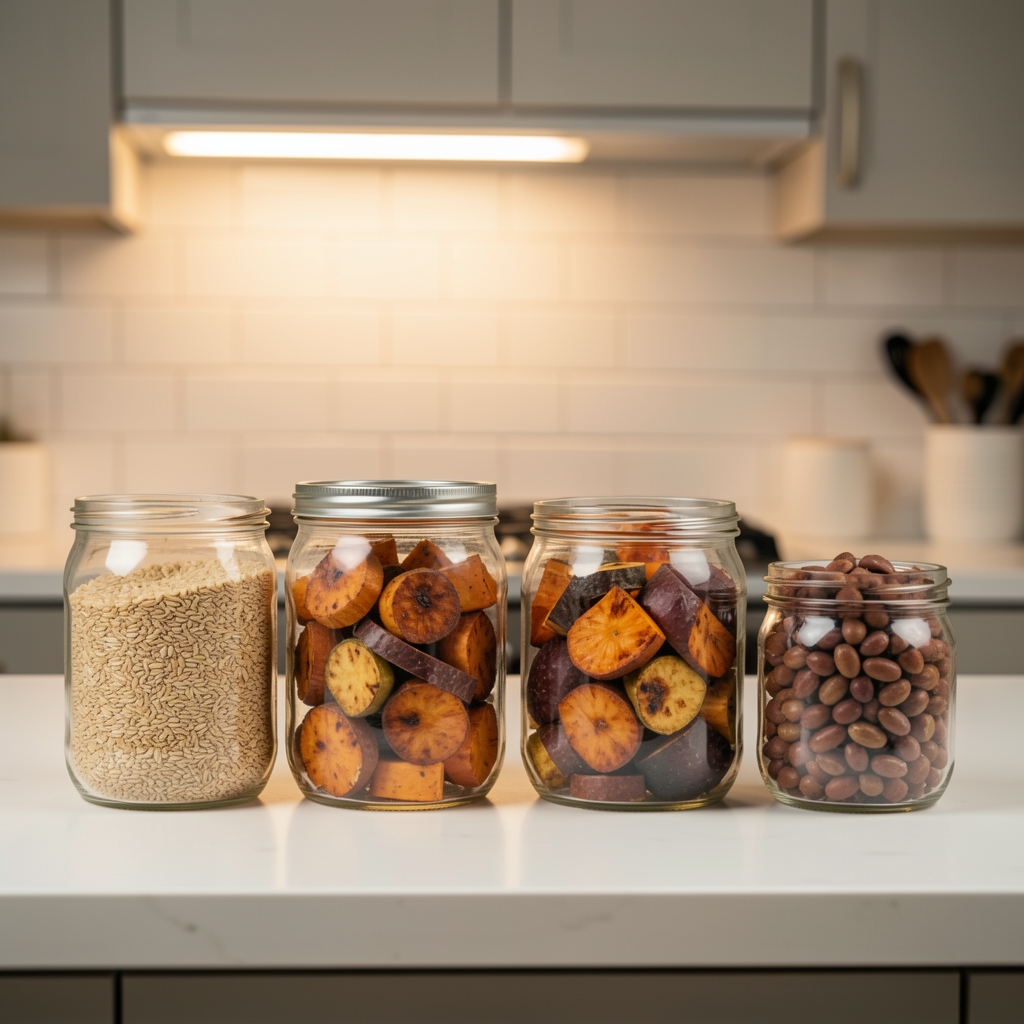
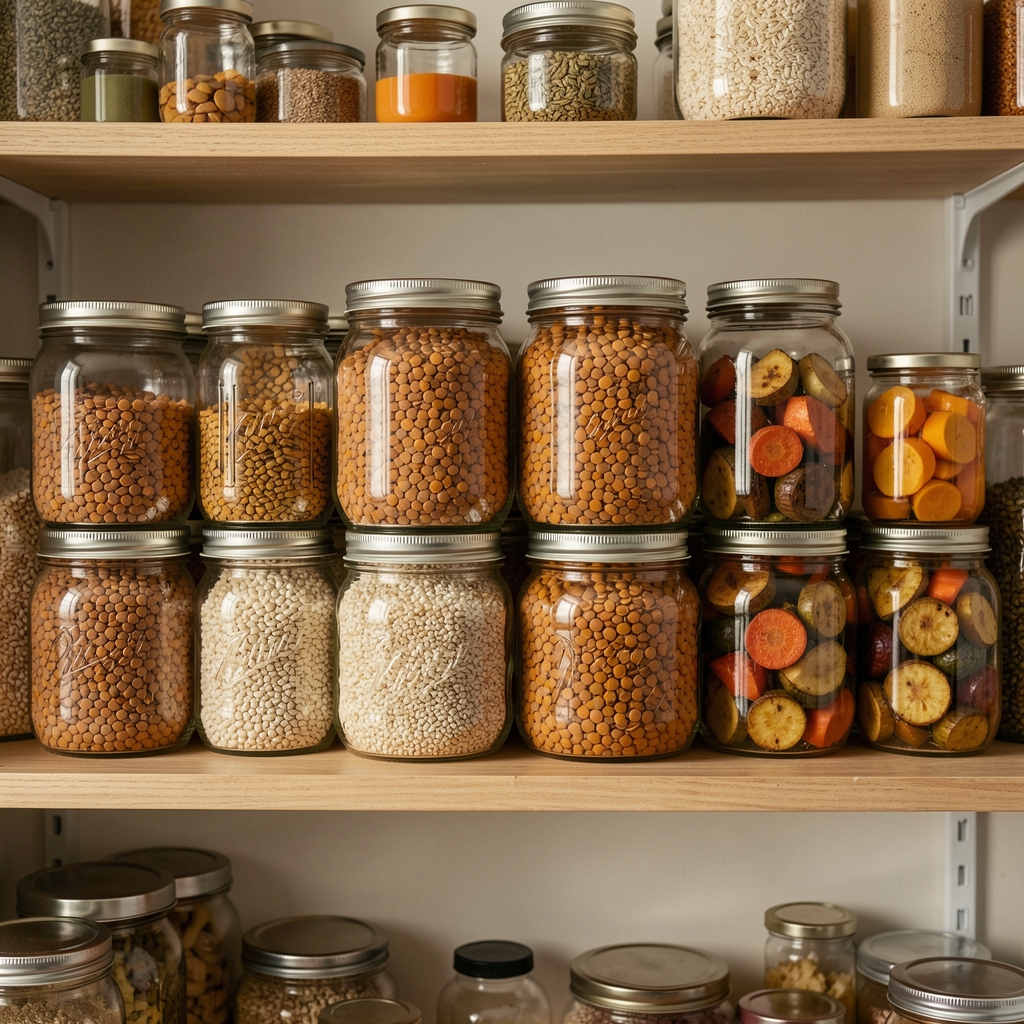
A Sunday preparation session of ninety minutes — a figure that most readers of this publication have reported as realistic — can reliably produce cooked whole grains (brown rice, pearl barley, or farro), a batch of roasted root vegetables, a quantity of cooked legumes, and a base sauce or dressing. These four components, stored separately in glass containers, form the architecture of five or six weekday meals assembled in under fifteen minutes each.
The key insight is not efficiency in the industrial sense, but something closer to cognitive offloading. When the component decision has already been made on Sunday — when the barley is already cooked — the weekday question shifts from "what will I eat" to the considerably simpler "what will I add to what is already there."
"The weekly kitchen rhythm is not a system. It is a practice — one that becomes ordinary rather than aspirational once the first few iterations are behind you."
Fibre as a Planning Priority
Current nutritional research, as reviewed in published dietary guidelines for England and Wales, consistently identifies dietary fibre as a nutrient that most adults in the United Kingdom consume below recommended levels. The current public health guidance suggests 30 grams of fibre daily as a target for adults — a figure that requires deliberate inclusion of vegetables, legumes, whole grains, and fruits across most meals of the day.
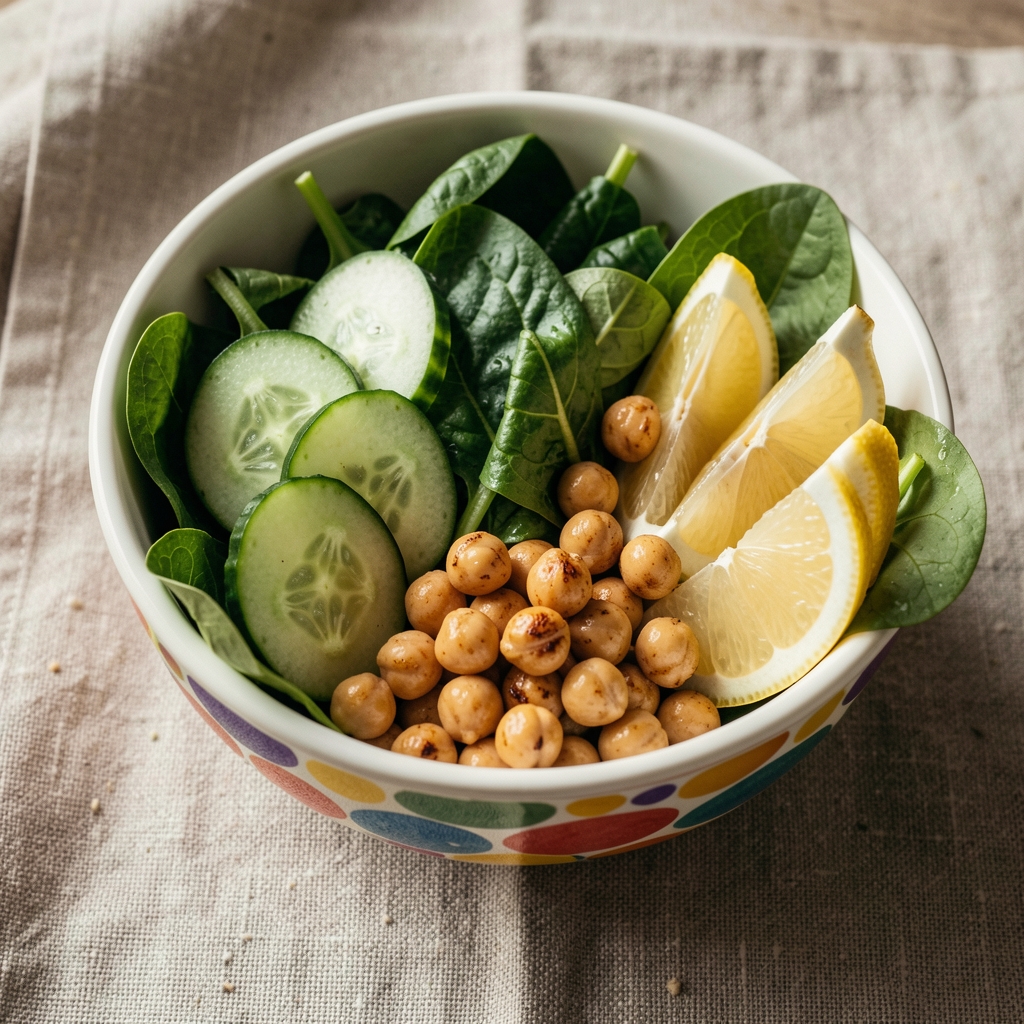
Meal preparation supports this not through tracking in the calorie-counting sense, but through architecture. When a meal is assembled from three or four distinct components — a grain, a legume or protein source, a cooked or raw vegetable, and a fresh element — the fibre target tends to be met as a structural consequence rather than as a conscious calculation.
The specifics matter less than the pattern. Pearl barley and chickpeas are interchangeable with brown lentils and farro in the structural sense. A roasted parsnip and a roasted courgette occupy the same slot. The preparation calendar does not require precision at the ingredient level — only at the category level.
Portion Awareness Without Measurement
One of the more useful by-products of a preparation-led approach is what might be described as passive portion calibration. When a meal is assembled from stored components rather than eaten directly from a cooking pan, there is a natural visual checkpoint — the act of transferring food to a bowl or plate creates an opportunity to notice quantity in a way that eating from a pot does not.
This is not portion control in the sense of restriction. It is awareness in the sense of attention. The goal of a well-composed meal is satiety — that settled quality of having eaten something sufficient and varied — not minimalism. A generous bowl of grain, legumes and vegetables, finished with good olive oil and a handful of fresh herbs, is precisely the kind of meal this approach produces.
The sustainable weight approach that emerges from this pattern is a consequence of consistency, not a goal pursued through deprivation. Bodies that are fed regularly, from a varied range of whole foods with adequate fibre and protein, tend to regulate their own appetite signals with greater stability than those subject to irregular eating or large variation in daily energy intake.
A Practical Week, Sketched
The following represents a typical preparation template used by one of the nutritional advisors who contributes to this publication. It is not a directive — it is a sketch of what a functional week looks like from the inside.
The Grocery List as an Editorial Document
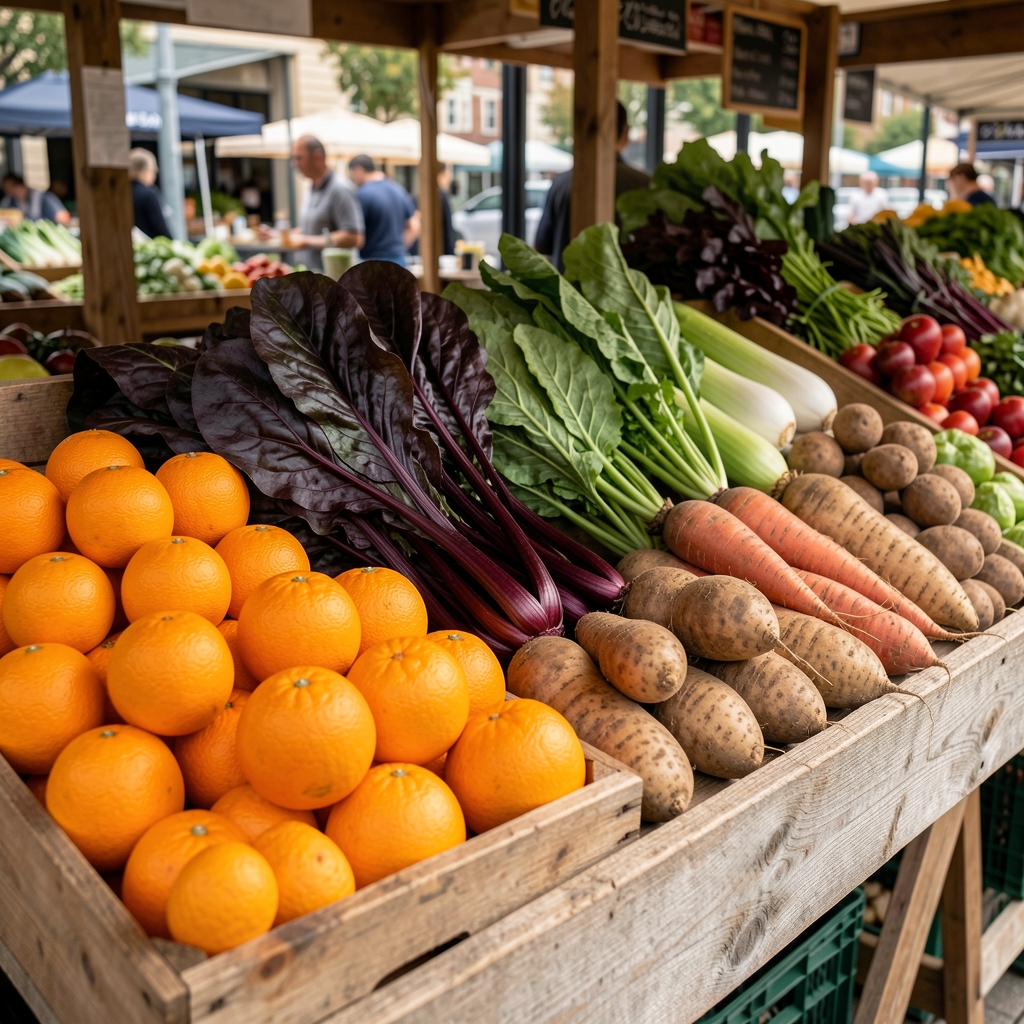
An underappreciated aspect of the preparation-led approach is the weekly shopping list as a form of decision-making. A list built around components — rather than around specific recipes — naturally produces a more versatile larder. Two kilograms of mixed root vegetables, a bag of dried lentils, one whole grain, fresh leafy greens, a good olive oil, lemons, garlic, and whatever looked well at the market covers most of a week's meals at the structural level.
Seasonal cooking enters here not as an aesthetic choice but as a practical one: what is abundant in the market is cheaper, more flavourful, and — in many cases — more nutritionally dense than produce that has travelled far out of its natural season. A winter shopping list looks quite different from a summer one, and both can support the same underlying preparation structure.
The food journal — a weekly or daily log of what was eaten and when — adds another layer of attention without requiring extensive record-keeping. Even a brief note (grain bowl, good quantity of greens, energised afterward) provides a feedback loop that, over several months, builds a reliable personal map of what the body receives well and what it merely tolerates.
Hydration as a Parallel Practice
Meal preparation tends to focus on solid food, but the kitchen rhythm offers a natural place to build hydration habits alongside it. A large jug of filtered water on the counter during Sunday preparation becomes visible throughout the week. Herbal infusions prepared in advance — ginger and lemon, or chamomile and fennel — provide an alternative to habitual caffeine consumption in the afternoon hours.
The connection between adequate hydration and satiety signals is documented in published nutritional research: the body does not always clearly distinguish the sensation of mild dehydration from that of hunger. Building hydration habits into the kitchen rhythm — not as a separate health intervention, but as part of the same weekly structure — removes one potential source of miscommunication between body and appetite.
Closing Observation
The week in the kitchen, well considered, is a smaller decision than it appears. It does not require culinary skill in the professional sense — only the willingness to allocate ninety minutes to a set of simple tasks, and to accept that the meals that result will not be elaborate. They will, however, be consistent, varied in a quiet way, and built from ingredients whose nutritional properties are well understood.
That consistency, sustained over months, is the actual subject of this article. Not Sunday preparation as a productivity strategy. Not batch cooking as a wellness trend. But the accumulated effect of eating similarly well, across many ordinary weeks, until it becomes the unremarkable background of daily life.
- 01A 90-minute Sunday preparation session can cover the structural needs of five or six weekday meals.
- 02Preparation at the category level (grain, legume, roasted vegetable, fresh element) is more flexible than recipe-led preparation.
- 03Fibre targets tend to be met structurally when meals are composed from three or four distinct component types.
- 04The grocery list as a component document produces a more versatile larder than a recipe-by-recipe approach.
- 05Seasonal produce availability is a practical guide to shopping selection, not merely an aesthetic preference.